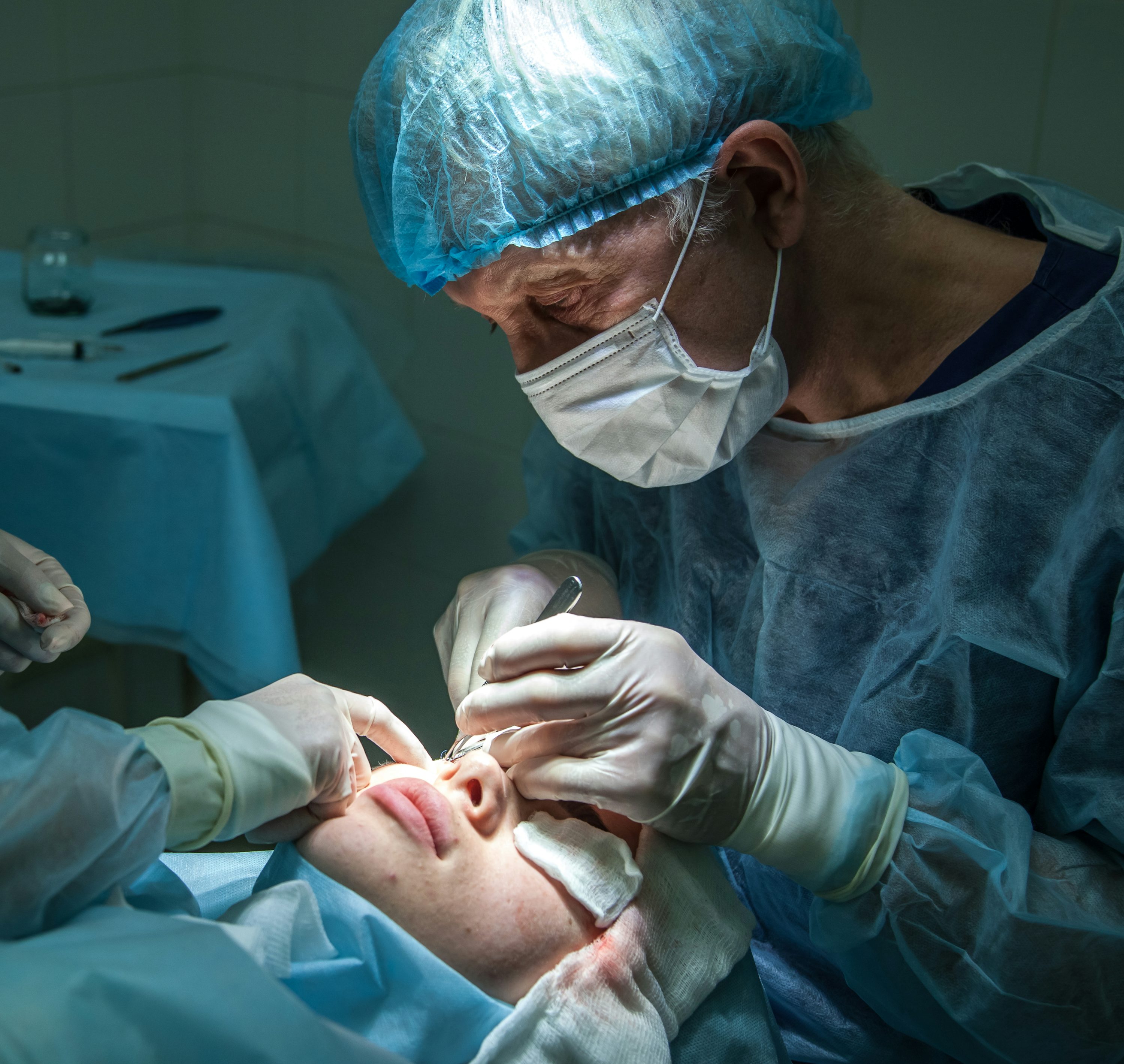
So you've done months of research. You've scrolled through Reddit threads at 2am, saved hundreds of before/after photos, and finally decided on a clinic. You book your consultation, fly to Seoul, and sit down across from the surgeon whose work you've been obsessing over.
Then the clinic calls you the night before your surgery.
"We've assigned you to Dr. Kim instead."
This happens more than people talk about. And if you're planning plastic surgery in Korea, understanding how surgeon assignment actually works could be the difference between getting the result you wanted and spending years trying to figure out what went wrong.
How Clinics Actually Assign Surgeons
Here's something most clinics won't volunteer upfront: in many Korean plastic surgery clinics, the surgeon you consult with is not necessarily the surgeon who will operate on you.
Larger clinics — especially the ones with heavy marketing budgets and thousands of reviews — often run what's essentially a production model. Multiple surgeons work under one clinic's brand. The "face" of the clinic (the one in the promotional videos, the one with the most reviews) may only perform a fraction of the actual surgeries. The rest get distributed based on scheduling, availability, and sometimes, frankly, which surgeon has an open slot that week.
This isn't inherently malicious. Clinics have to manage complex schedules, and a surgeon who's booked out six months in advance can't see every patient who wants them. But the problem is the lack of transparency. Patients often don't know to ask, and clinics often don't volunteer the information.
The "Bait and Switch" Problem — and Ghost Surgery
In South Korea, the most extreme version of unauthorized surgeon substitution has a name: ghost surgery (유령수술). It refers to cases where a patient is sedated and operated on by a completely different doctor — sometimes an unqualified one — without their knowledge or consent. Ghost surgery scandals have been widely covered by CNN, the New York Times, and the BBC, and South Korea has since passed laws requiring operating room cameras in hospitals. The version most international patients encounter is less dramatic but follows the same logic: you book based on a specific surgeon's reputation, pay a deposit, fly internationally, and only find out at the last minute — or sometimes not until after — that someone else performed your surgery.: you book based on a specific surgeon's reputation, pay a deposit, fly internationally, and only find out at the last minute — or sometimes not until after — that someone else performed your surgery.
This isn't a myth. It comes up regularly in communities like r/KoreaPlasticSurgery. The reasons vary:
- The surgeon you wanted had an emergency or scheduling conflict
- The clinic overbooked that surgeon's slots
- The clinic's internal policy assigns surgeons based on procedure type or complexity, regardless of patient preference
- You were never explicitly told your consultation surgeon would be your operating surgeon
The frustrating part is that in many cases, the substitute surgeon may be perfectly competent. But you didn't research them. You don't know their aesthetic style, their complication rates, or how their results compare to the surgeon you chose. You're essentially flying blind.
When It Actually Matters (And When It Doesn't)
Not every procedure carries the same risk when it comes to surgeon assignment. Ghost surgery cases in Korea have involved facial surgeries, rhinoplasty, and double eyelid procedures — precisely the operations where individual technique matters most.
Procedures where the specific surgeon matters a lot:
Rhinoplasty (nose jobs) and double eyelid surgery are the clearest examples. These are highly technique-dependent procedures where two surgeons at the same clinic can produce dramatically different results. The natural-looking ptosis correction you saw in Dr. Park's portfolio might look nothing like what Dr. Lee produces with the same technique on paper. Facial bone contouring — jaw reduction, cheekbone reduction — is another area where individual surgical judgment and aesthetic sensibility make a huge difference.
Procedures where it matters less:
For something like liposuction on the abdomen or thighs, or straightforward skin procedures, the variance between surgeons at a reputable clinic tends to be smaller. The technique is more standardized, and the outcome depends more on the clinic's protocols than on individual surgeon style.
How to Actually Protect Yourself
This is the practical part. If you've decided on a specific surgeon, here's what actually works:
Ask directly, in writing — and mention ghost surgery. Before you pay any deposit, ask: "Will [surgeon name] be performing my surgery from start to finish, without substitution?" The explicit mention of ghost surgery signals that you're an informed patient. Get the answer in writing — via email or KakaoTalk message. Get the answer in writing — via email or KakaoTalk message. Verbal assurances at a consultation are harder to hold anyone accountable to.
Understand what "consulting surgeon" means. Some clinics use the consulting surgeon for the initial incisions or the most technically demanding part of the procedure, then hand off to a resident or junior surgeon for the rest. Ask specifically whether your chosen surgeon will be present for the entire procedure.
Research the other surgeons at the clinic. If you're going to a clinic with multiple surgeons, look up the others too. If you can only find work from one surgeon and nothing from the rest, that's a flag.
Ask about their policy on last-minute changes. What happens if your surgeon is unavailable the day of surgery? Do they notify you in advance? Do you have the right to reschedule? What's the refund policy if you're not comfortable proceeding with a different surgeon?
Factor in wait times. The most in-demand surgeons at reputable clinics are often booked months out. If a clinic can get you in next week with the surgeon you specifically requested, that's worth questioning. As one Reddit user put it: they waited six months to get a slot with the surgeon they wanted. That wait time is often a signal of genuine demand — and genuine quality.
The Honest Trade-Off
There's a real tension here that's worth naming. If you're traveling internationally and have a fixed window — two weeks of vacation, a specific return flight — you may not have the luxury of waiting six months for a specific surgeon. In that case, going with the clinic's recommendation might be your only realistic option.
That's not necessarily a bad choice. Reputable clinics don't stay reputable by consistently producing bad results. But if you go that route, do your homework on the clinic's overall track record, not just one surgeon's portfolio. Ask to see before/after photos from multiple surgeons at the clinic. Look for consistency in results across different doctors, not just the star surgeon.
The goal is to make an informed decision — not to assume the clinic's incentives are always aligned with yours.
Looking for clinics that are transparent about their surgeons? KBeautyFinder lists verified clinics with real patient reviews — no sponsored placements, no hidden referral fees.